July Newsletter 2025
Welcome to Ponterra's July Newsletter
In this edition, you will find:
- Celia’s Corner: a message from our CEO.
- Biodiversity Spotlight: Ponterra’s Biodiversity Lead, Hubert Szczygieł, shares more about our biodiversity efforts. This month’s spotlight is bird point counts.
- Mexico Project Update: charting the progress of development at La Esperanza.
- Panama Project Landowners: sharing the stories of the ARC I landowners.
- Ponterra Profiles: introducing our Landowner Relations & Regenerative Livestock Leader in Mexico, Gualberto Azuara.
- Events: see what members the Ponterra team have been up to over the past few months.
- Climate News: a selection of the latest headlines and reports in climate.
Celia's Corner
Dear friends of Ponterra,
The last few months have been particularly busy for the Ponterra team.
We completed our Measurement, Reporting, and Verification (MRV) work on the land we measured in Panama and got some wonderful news. We found over 1 million trees of 120 species on the path to becoming a tropical forest again. With 845 stems per hectare, thats nearly double the expected density at this stage.
Our biodiversity tracking also brought exciting signs of life. We recorded over 400 species of animals, looking at more than 10,000 individual organisms across the sites.
We are ingesting this data from over 30 ecosystem health indicators and matching that with a massive amount of field-gathered data. Combined with drone and satellite data gathered over months, it allows us to gain invaluable insight to understand which of our restoration activities, from native species design to soil enhancement, leads to the best results.
Jason, Julie, Roger, Jose Hernandez, Nicole, and the team did an incredible job over 100 days in the field.
We are thrilled to have scientists and ecologists looking at our data together with our on-staff experts as we hone our operations to be ever more efficient and effective.
We are conducting a huge science experiment in real life, and the results are fascinating.
The results so far mean that we are likely to modify and tune our operations this year.
Ponterra is providing nature restoration as a service, and we want to provide the Earth, and our customers, with a continuously improving service using science, technology, and data to guide our ecological and commercial outcomes.
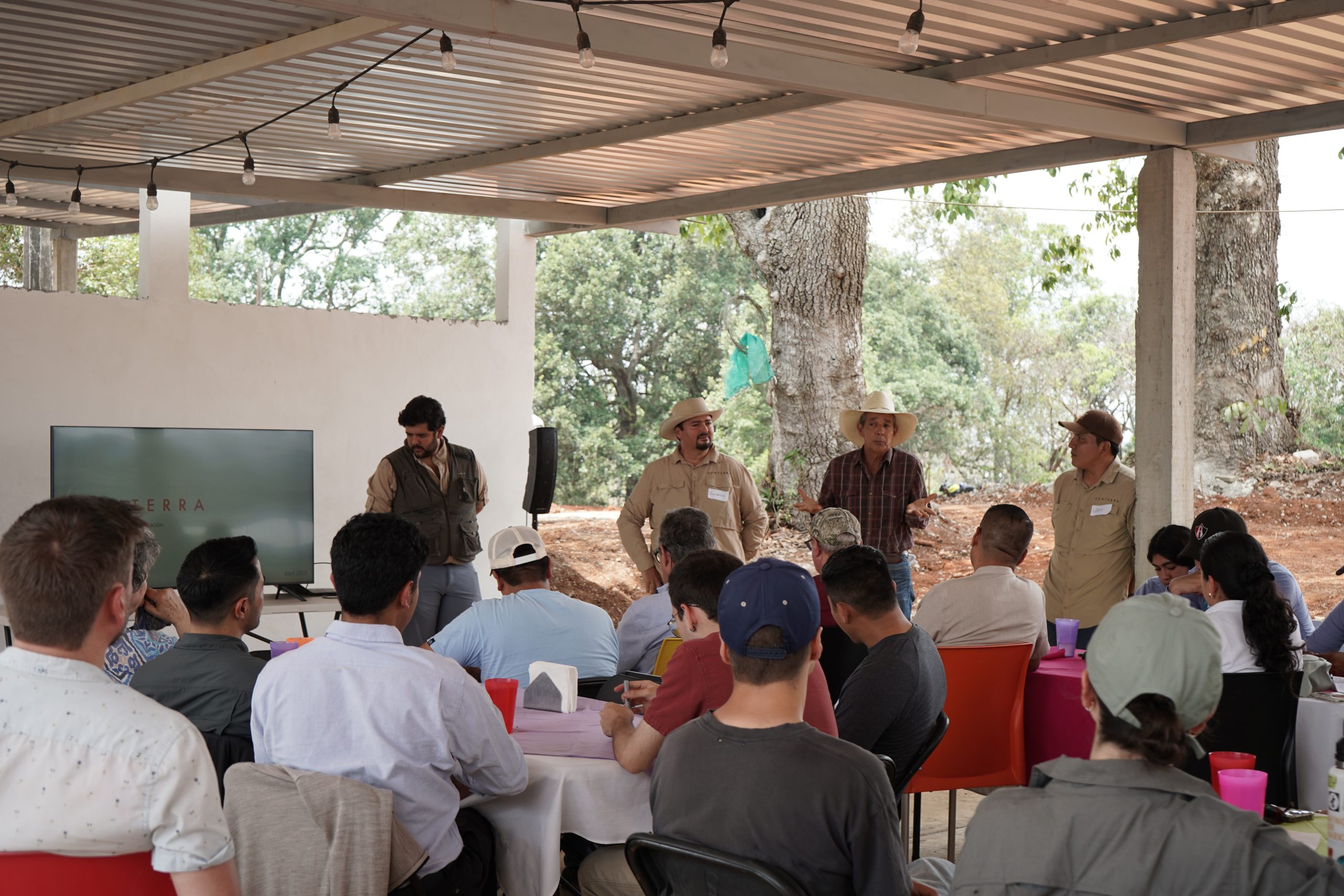
In Mexico, the team are thrilled to be in conversation with a variety of off-takers and natural capital providers as we take that project to market. The feedback on our project design has been excellent. We are also very happy to have a growing number of cattle ranchers in Veracruz sign LOIs with us, so we have far more interest than we expected.
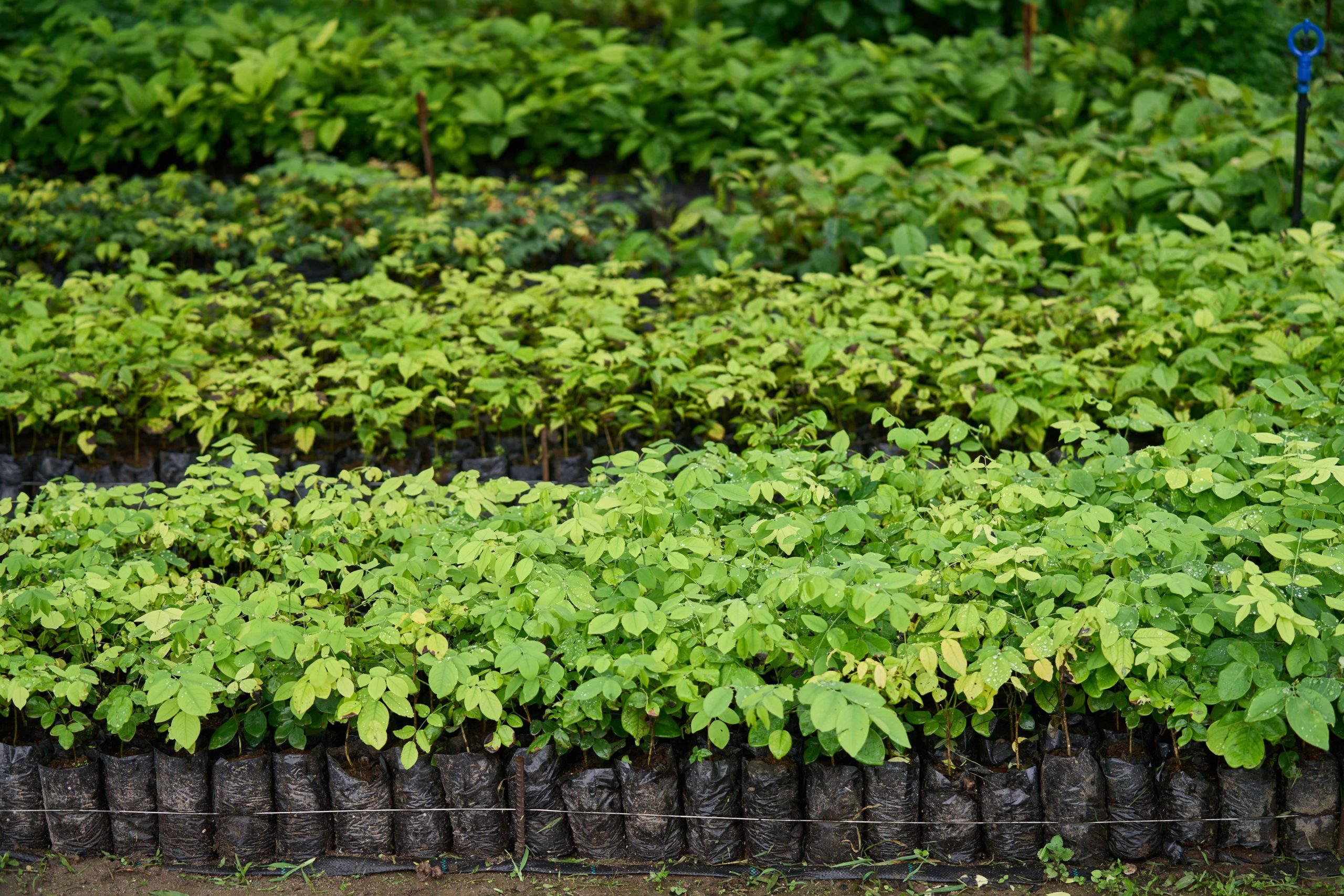
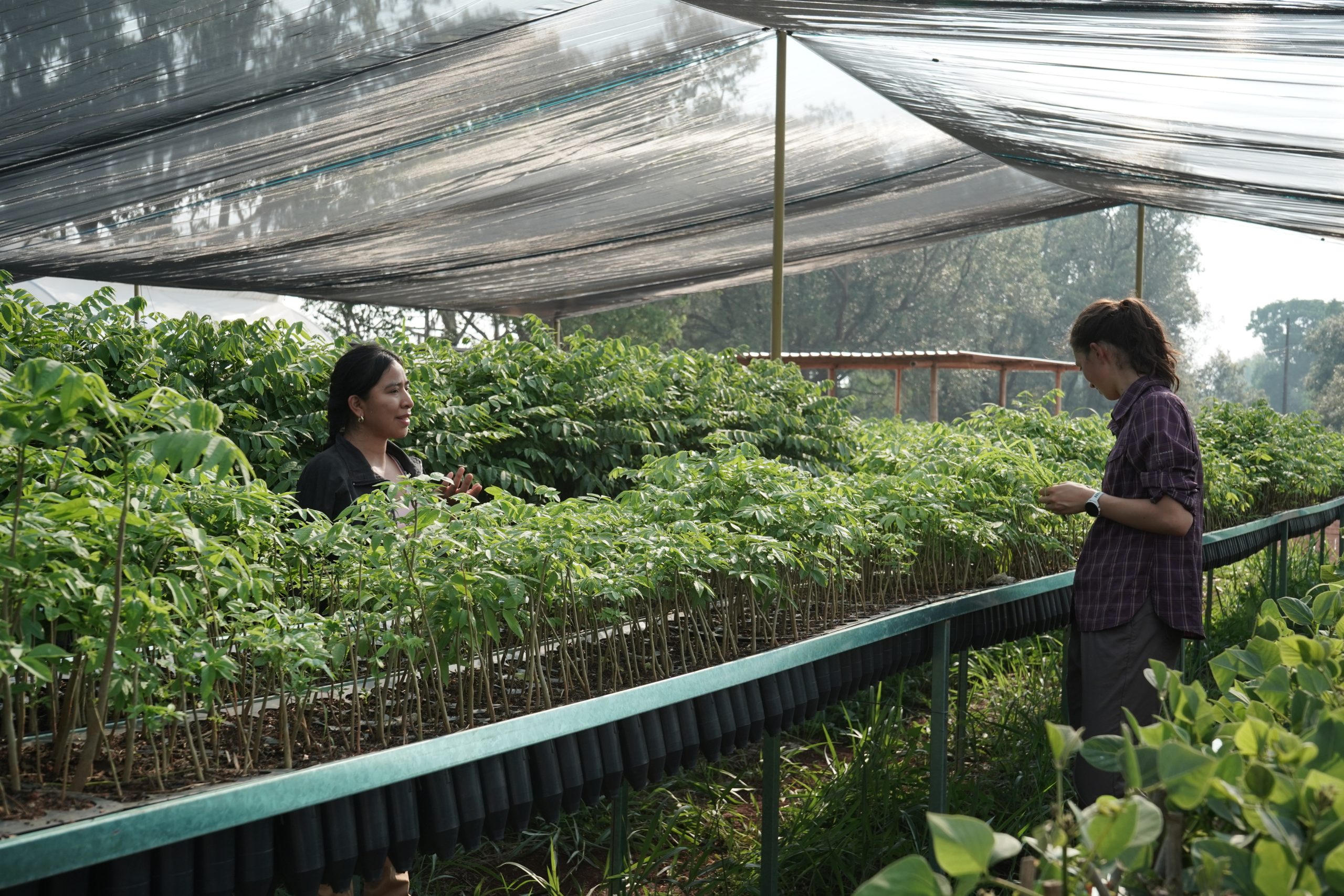
Isa, Simón and the team have been hosting landowners and investors at La Esperanza every other week, and our nursery is brimming with saplings.
We are so happy to see more and more interest in the world from all kinds of players that can be a part of what is needed to bring back nature and health to the planet.
Biodiversity Spotlight
Ponterra’s Biodiversity Lead, Hubert Szczygieł, shares details on some of the tools and techniques we’re using to monitor biodiversity.
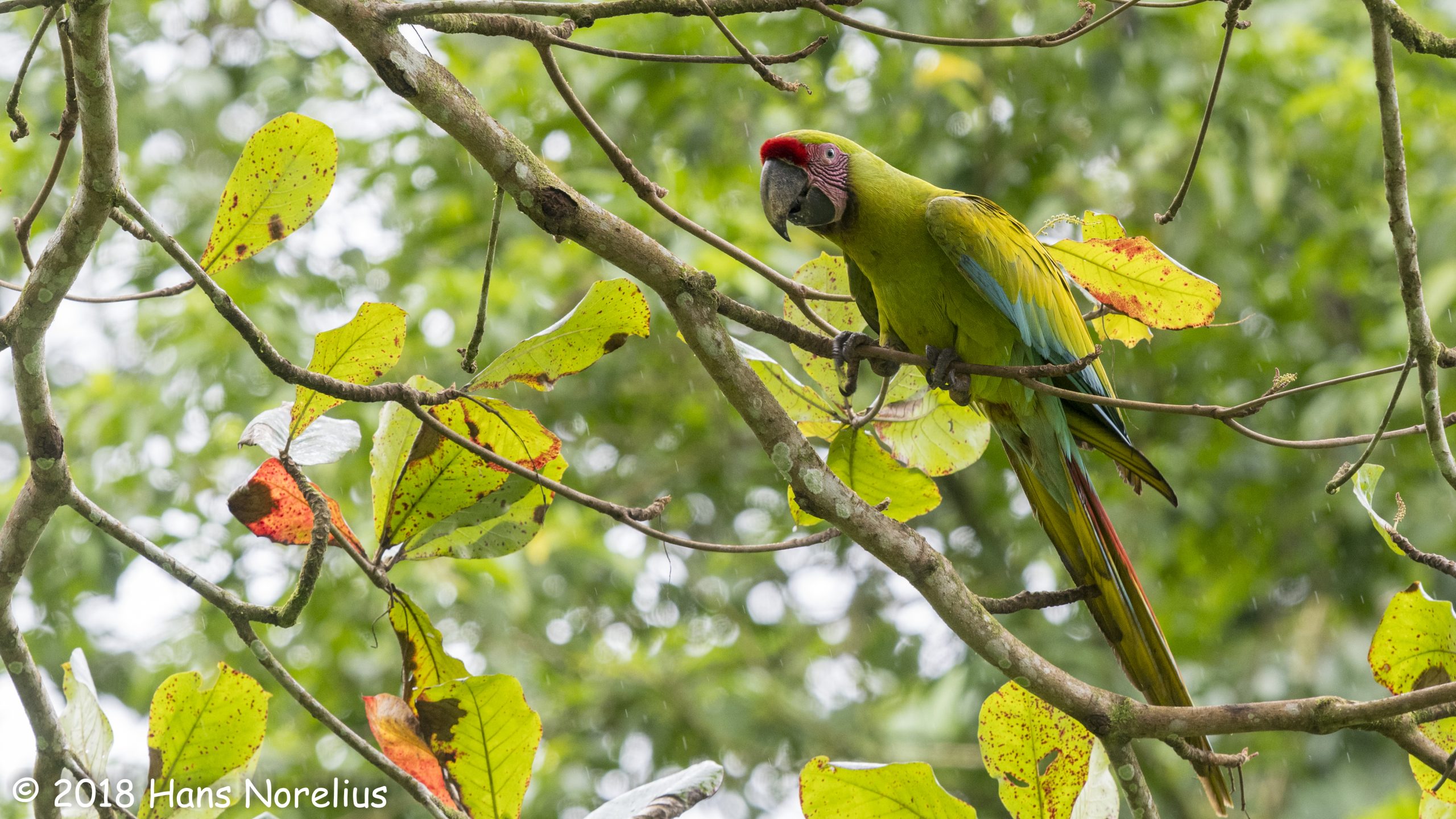
This edition’s spotlight is bird point counts.
Birds are critical for ecosystem function in many parts of the world, and in the tropical forests Ponterra is restoring in particular. Their ability to fly makes them highly mobile, both throughout the day and throughout the year. North America acts like a funnel for migrating birds, which spend spring and summer in the north, then return south for the cooler months of the year.
Panama is the narrowest point in the funnel, and at a critical position between the bird communities of North and South America. Consequently, over 1000 species of birds have been recorded in this small country. Birds play important roles in forested ecosystems as seed dispersers accelerating natural regeneration. They also feed on insects and pollinate flowers. A tropical forest devoid of birds would cease to exist.
To monitor birds we use two techniques: traditional bird point counts conducted by an ornithologist, and passive acoustic monitoring. I will highlight the former here. Daniel Murcia, Ponterra’s biodiversity team field lead, is also one of Panama’s top birders with years of experience in the Azuero Peninsula. The team goes to each point twice at dawn to note all birds that Daniel sees and hears in a ten-minute window. Getting to remote field sites as the sun is just rising requires brutally early starts, but the trade-off is with fieldwork completed by 10:00 before it really starts getting hot.
Analysing bird point count data requires nuance. We actually observe more bird species at sampling points that fall in pasture than those that fall in forest. The reason is twofold: 1) it is much easier to see and hear birds in open areas than in dense forest, and 2) many forest birds enter pasture to forage, while the inverse is not as common.
We must look beyond simple species richness data to see that bird communities will change and develop with reforestation, as pasture-dwelling generalists decline and forest-specialists return.
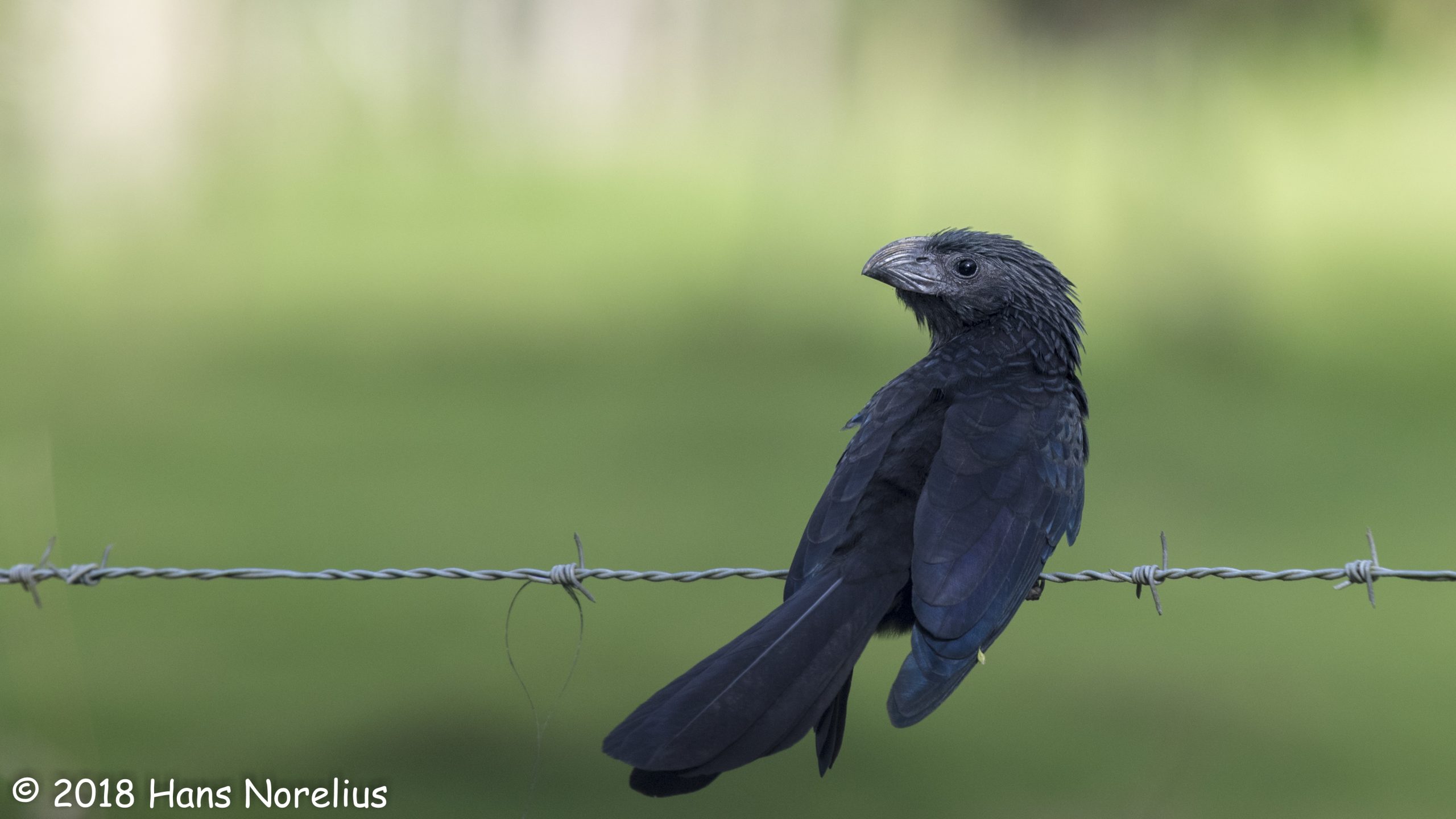
The black bird in the photo is a groove-billed ani, a generalist feeder that prefers pasture and savannah habitats, and has in fact benefited from deforestation on the Azuero Peninsula. The green bird (top) is a critically endangered great green macaw, a species that once thrived in Azuero, but is now relegated to a few remnant patches of mature forest. The Macaws require large trees for nesting, and eat mostly large-seeded fruit.
Mexico Project Update: The growth of La Esperanza
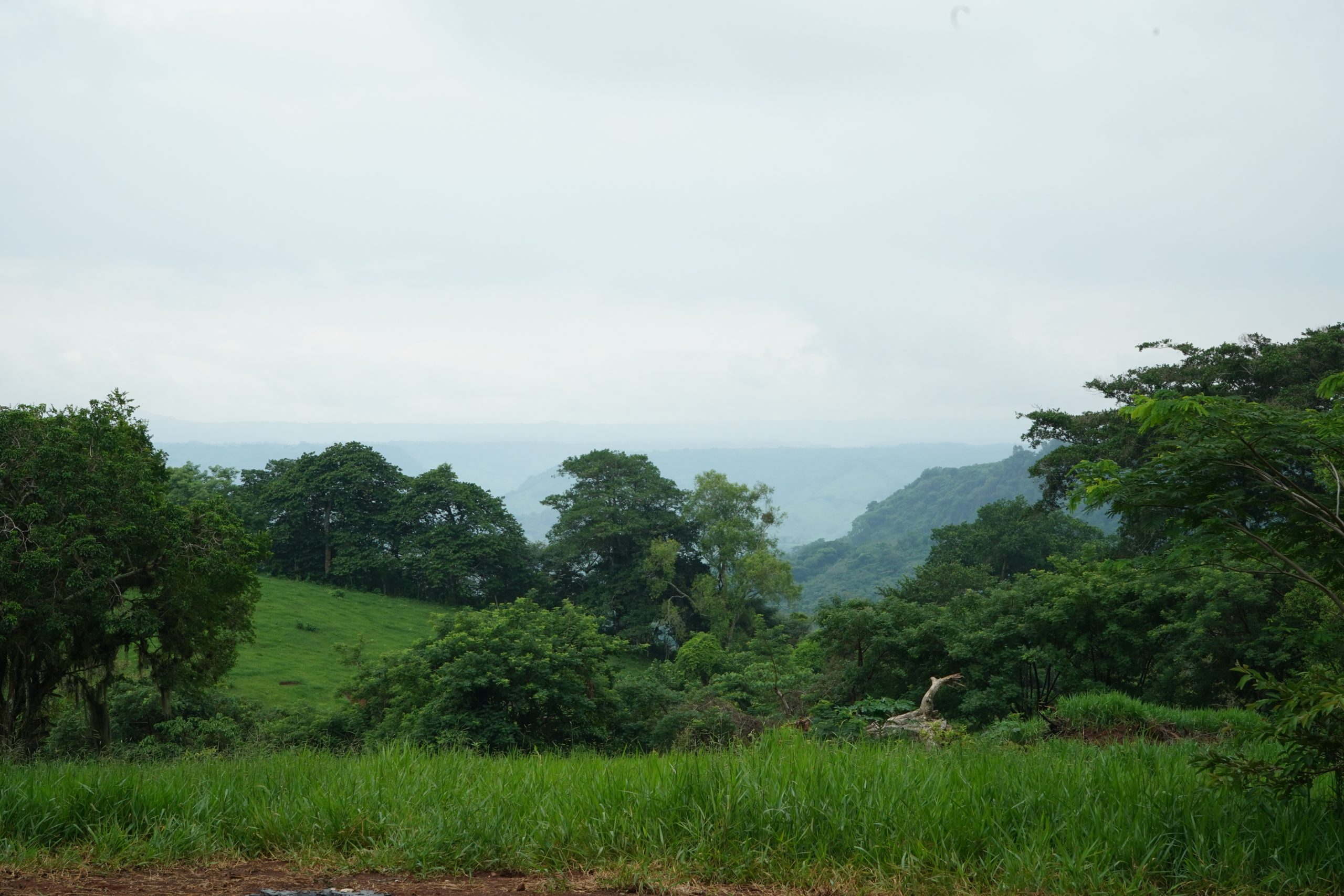
Mexico faces critical environmental challenges, from accelerated deforestation to biodiversity loss and soil degradation. In this context, Ponterra Mexico’s La Esperanza project was born as a concrete response: a comprehensive and scalable solution that seeks to restore landscapes and regenerate communities, all aligned with the international standard from Verra, VM0047.
Today, as La Esperanza celebrates its first year of operation, we share the advances that lay the foundations for a more resilient and sustainable future. A committed team, a shared vision. During these twelve months, teams that are the backbone of the project have been consolidated, supervised and supported.
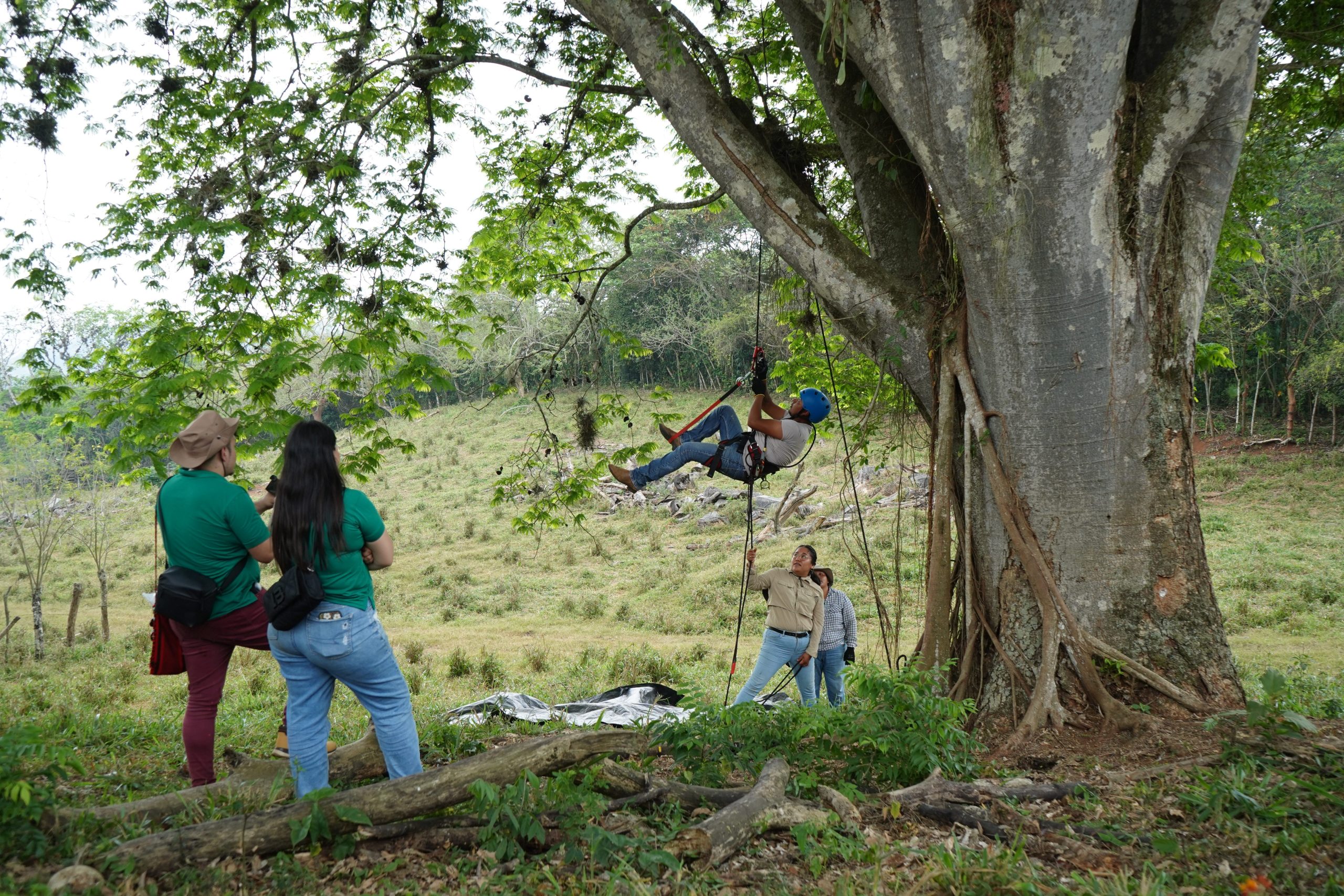
It goes without saying, but to grow a tree we need what comes before, a seed. As simple as it sounds, obtaining them has been one of our main challenges. A range of factors must be taken into account: species identification, seed treatment, seasonality, and more. So far there is limited data in the region on the 50 native and adapted native species we’ve selected for reforestation. To address this, a dedicated brigade has been formed to map and collect seeds daily.
Thanks to support from Simiplaneta, we’ve now taken a major step forward: the construction of a world-class seed bank. This facility will allow us to maximise efficiency in our operations, ensure genetic diversity and viability, and safeguard native germplasm for the long term. Some seeds, like Tabebuia rosea, can be stored for up to ten years, a critical insurance in the face of climate shocks or interruptions.
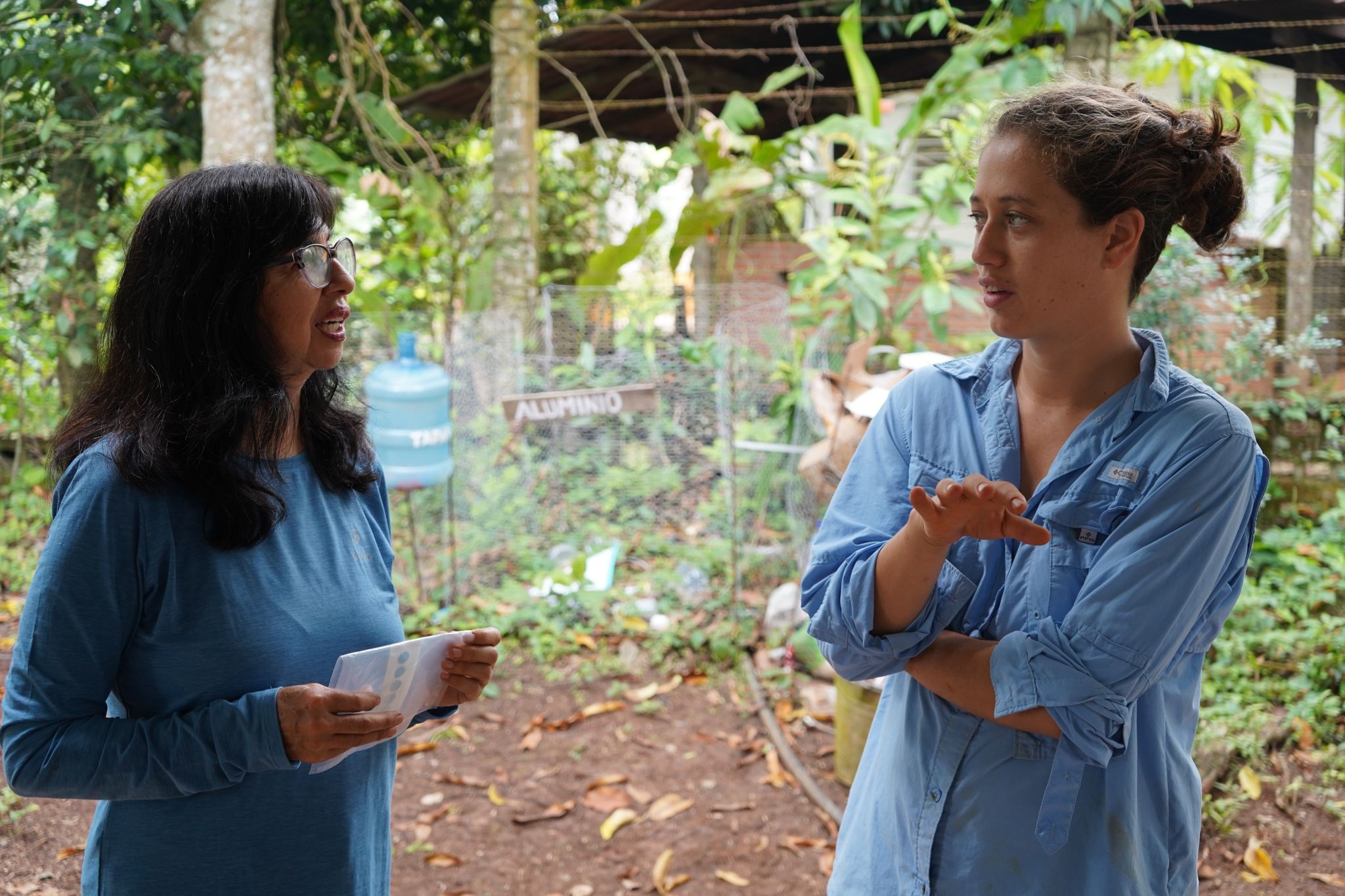
We were incredibly fortunate to welcome Jill Wagner of the Joseph Rock Arboretum to La Esperanza for two weeks during peak seed collection season. Jill is one of the world’s foremost experts in forest restoration and seed systems and has helped establish seed banks around the world. She worked hand-in-hand with our team to design, equip, and train staff in line with international standards, and we’re proud to say this may be one of the first facilities of its kind in Mexico.
Jill called our work, “high-level,” and repeatedly praised the commitment, professionalism, and vision of our team. We’re excited to continue collaborating with her over the next year to conduct germination testing, refine species-specific protocols, and build on what we’ve started.
Since late September last year, construction of the nursery began, led by an enthusiastic team of women. It is now in operation, where the production of native species is being promoted.
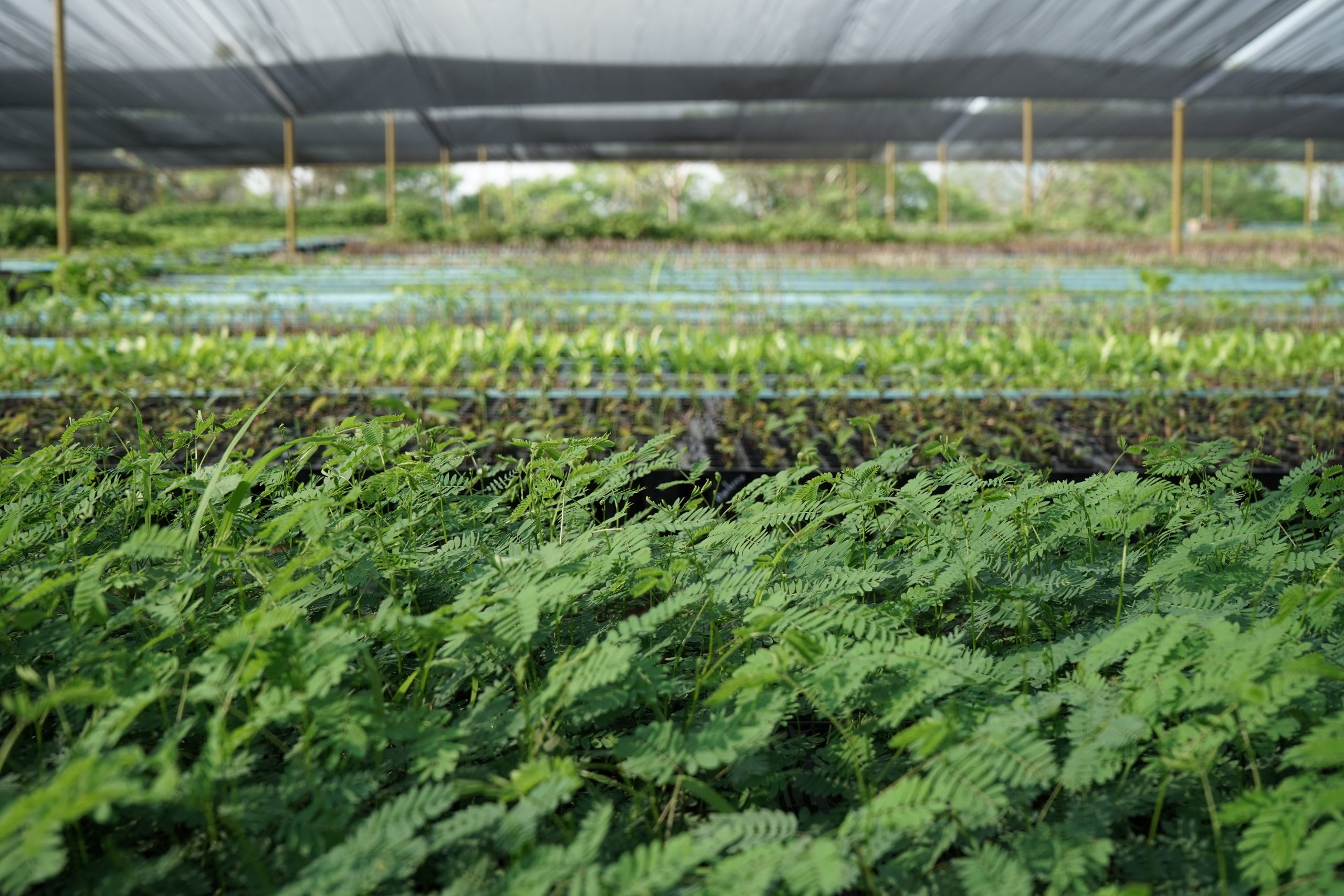
More than 120,000 seeds have been planted with more than 29,000 trees and cuttings collected. We want to thank the Centros de Atención Comunitaria of the governmental programme ‘Sembrando Vida’, who recently made a generous donation in conjunction with the civil organisation Orange Peace to support our nursery. Orange Peace is a group of altruistic young people from the northern part of Veracruz.
|
|
|
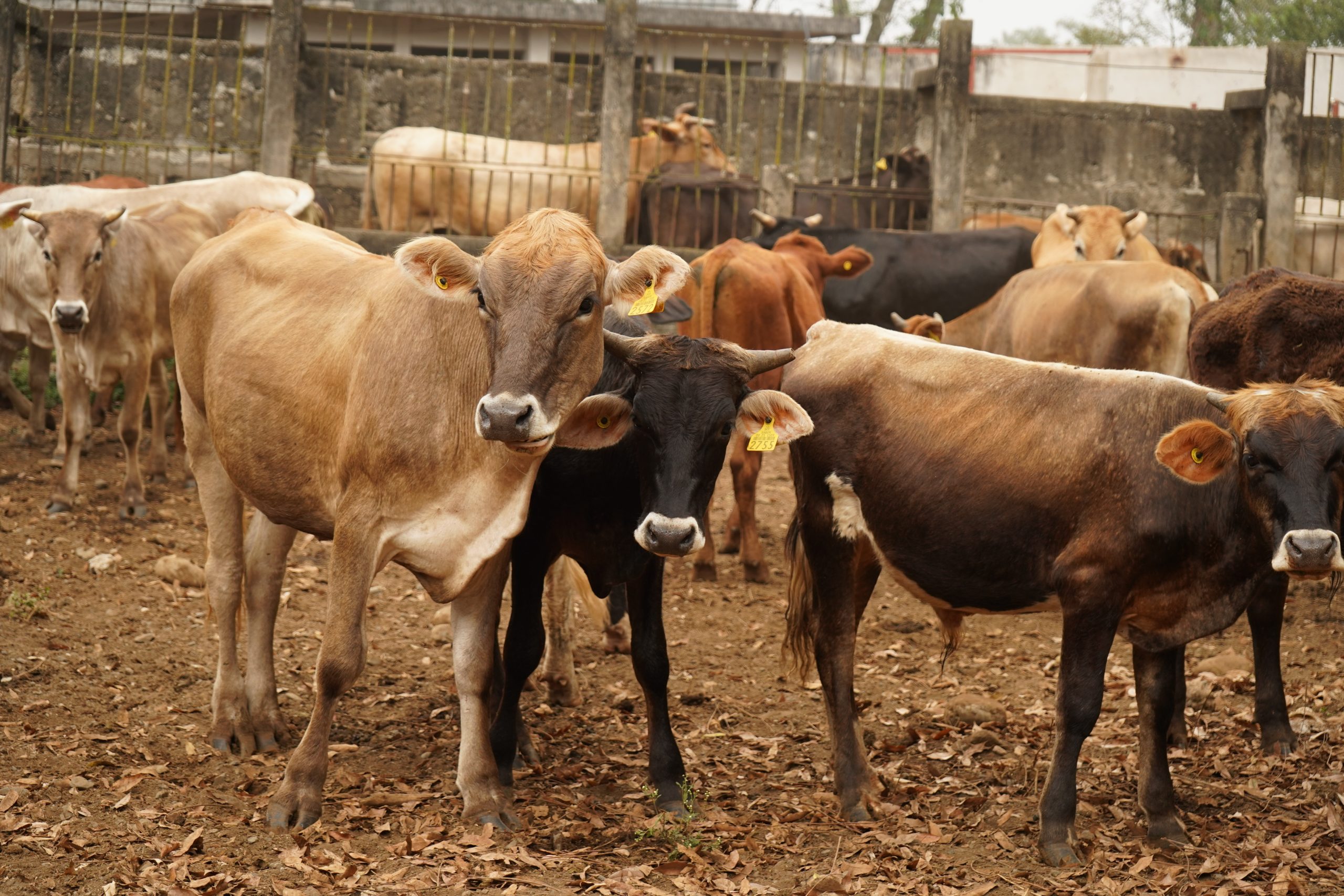
Through participatory processes, informational meetings, and collaboration agreements, we have strengthened our ties with key stakeholders in the region.
We have established a formal partnership with the “Instituto Tecnológico Superior de Venustiano Carranza” to promote research areas with forestry engineering students.
We have also established alliances with the Aguafría ejido group, which has shown interest in participating.
Last but not least, we have secured a significant donation for the construction of the seed bank through the Sími Planeta organisation, funded by the famous Mexican pharmaceutical company “Farmacias Simi”.
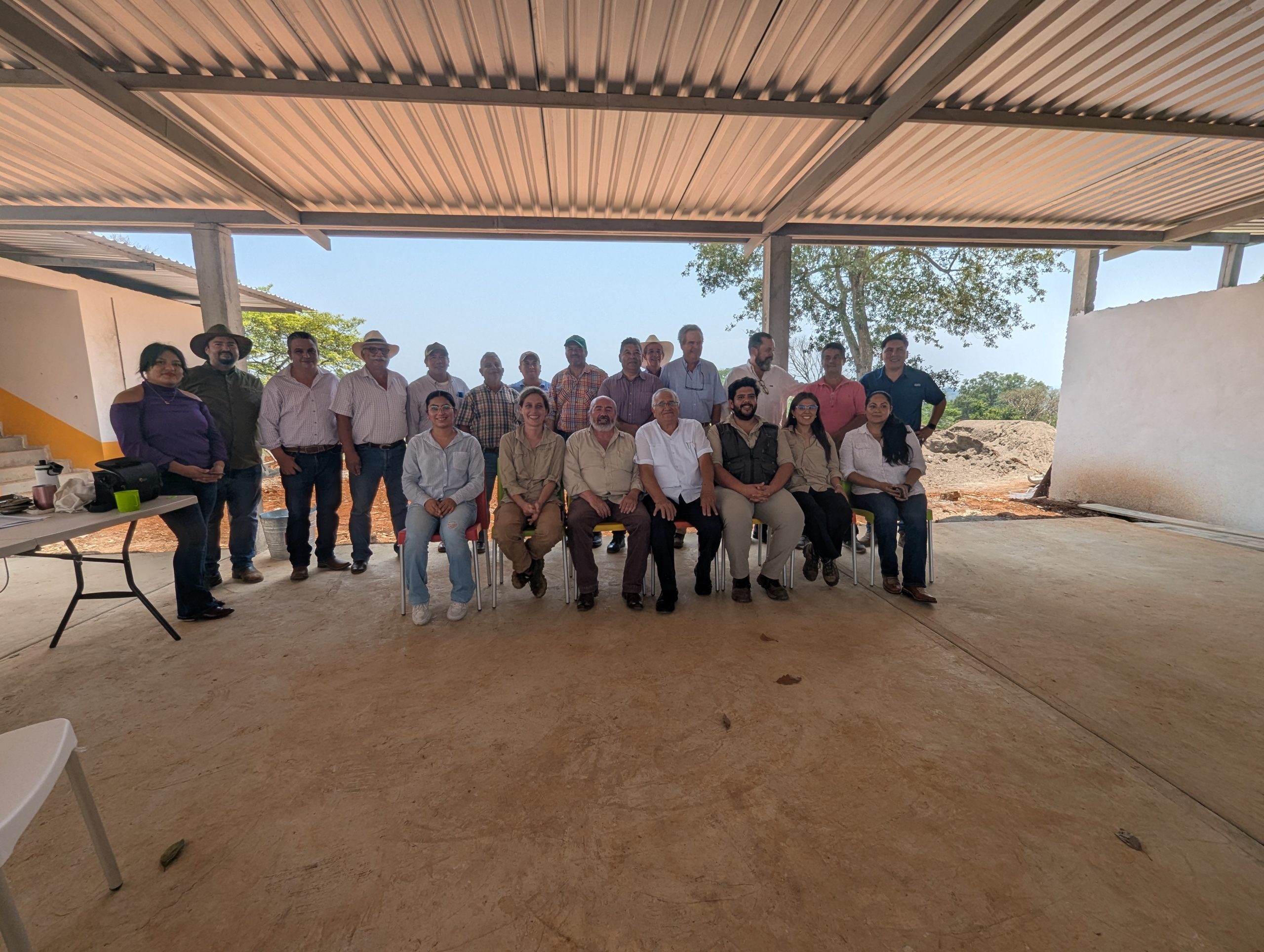
In its first year, La Esperanza has laid the operational and human foundations to scale up strongly: from setting up the central nursery and key areas for collection, logistics, and community outreach, to forming technical teams committed to regeneration. The next step will be to consolidate this foundation by acquiring machinery, vehicles, and tools that will enable us to expand the project’s impact.
With land preparation, training, contract signing, and plant growth monitoring, we are getting ready for a new phase of reforestation. Regeneration is a long-term commitment that requires vision, planning, and a network of active partnerships in the territory.
Panama ARC I Landowners
Read about how participation in our 10,000-hectare reforestation project in the Azuero Peninsula is benefiting local landowners.
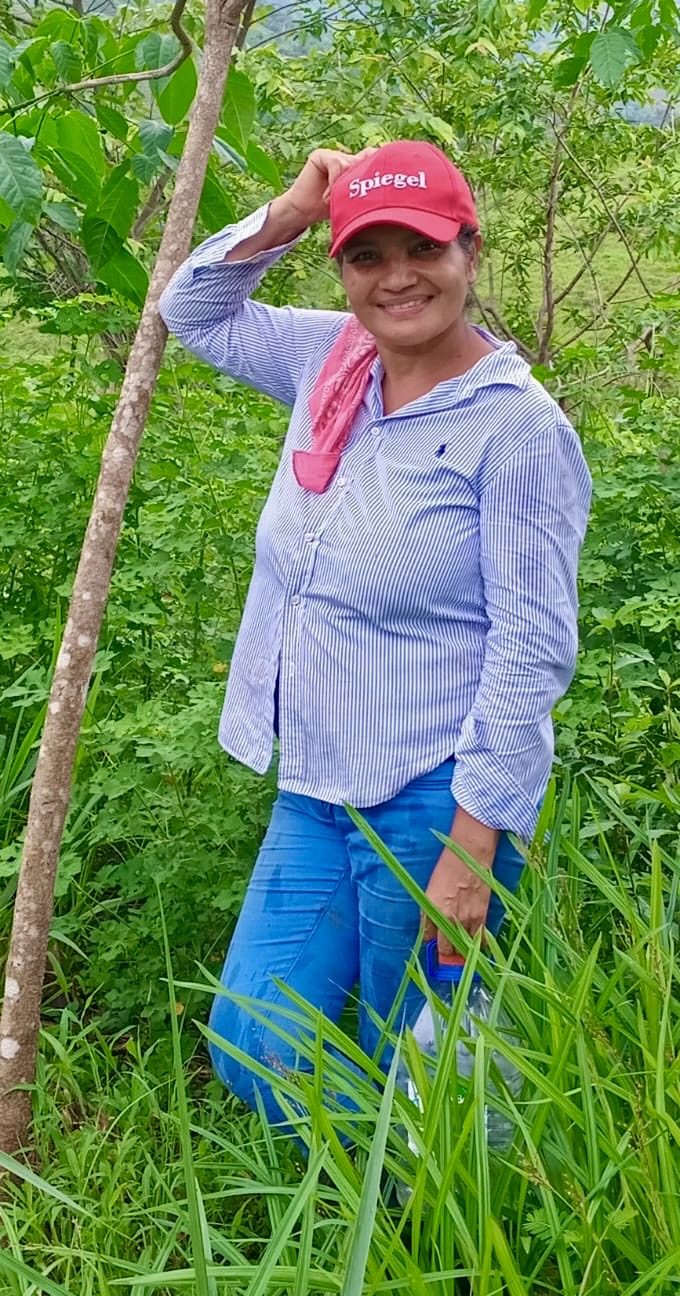
Facing soil degradation and dwindling cattle yields across her finca, Nilvia joined ARC I to not only restore soil health and enhance local biodiversity, but also to secure a reliable, diversified income.
Collaborating with Ponterra’s field team, Nilvia leases out her cattle to facilitate natural regeneration alongside active planting. She also provides vital, on-the-ground feedback to the team about plant performance, which has ensured the growth of her saplings up to three metres in height after just one year.
In return, the project has provided her with reliable lease payments, turnkey maintenance, and performance bonuses. This has provided a strong foundation upon which Nilvia is actively transitioning away from cattle ranching to benefitting full-time from ecosystem restoration alongside her career.
For Nilvia, the project transcends economic viability and has become a deeply personal mission of environmental stewardship; a role she finds deeply fulfilling. Her belief in the project, and her willingness to go above and beyond, make her the ideal long-term partner.
If you’d like to learn more about landowner participation in ARC I, check out our latest video featuring insights directly from our team and the landowners themselves.
Ponterra Profiles
Get to know the dedicated members of our team who drive our projects forward. In this edition, we shine a spotlight on our Direct of Landowner Relations & Regenerative Livestock Lead in Mexico, Gualberto Azuara.
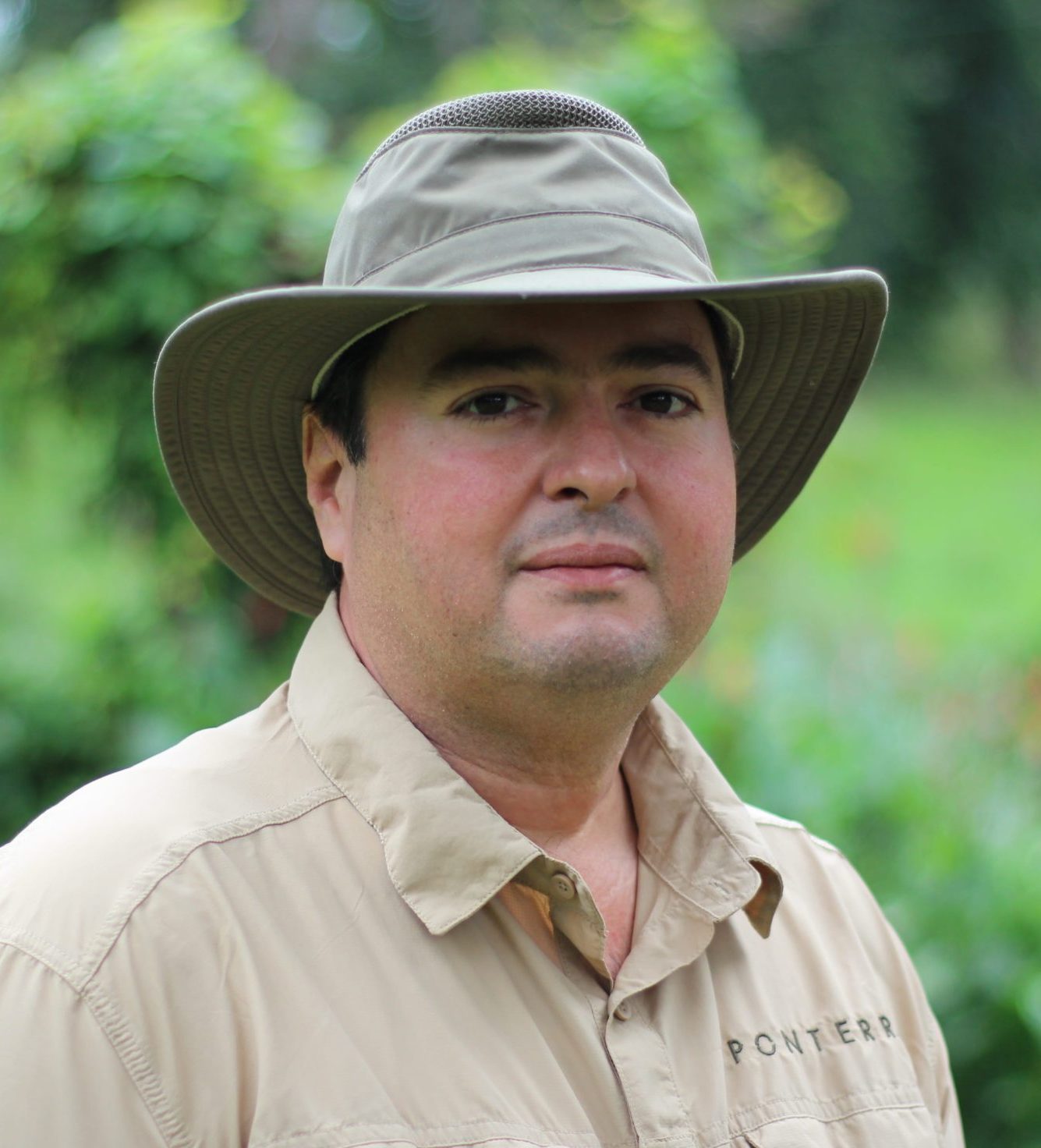
Gualberto Azuara is a driving force behind regenerative livestock practices in Mexico, combining hands-on experience in the field with a strategic vision to scale sustainable practices across rural landscapes.
As Director of Landowner Relations at Ponterra México, he leads projects aimed at restoring productive ecosystems and building long-term partnerships with those who live on and care for the land. His journey began on his own ranch in the Huasteca region of San Luis Potosí, where he implemented regenerative practices that now serve as a model for other producers. He later expanded his work as an advisor on ranches in northern Veracruz, supporting ranchers in transitioning toward more resilient, profitable, and environmentally respectful production systems.
Gualberto has served as an instructor for the Regenerative Livestock Course at Las Cañadas Cloud Forest, one of Mexico’s pioneering centres in agroecology and ecological transition. In addition, he has opened the doors of his ranch network to producers, students, and technical staff, creating hands-on learning spaces with real impact on the ground. Among the institutions he has collaborated with are the Universidad Autónoma de Chapingo, the Bank of Mexico, FIRA, and INIFAP.
At Ponterra, Gualberto promotes the adoption of livestock models that improve soil health, capture carbon, increase biodiversity, and strengthen rural economies. His work aims to build bridges between landowners, local communities, and regenerative solutions tailored to the Mexican context.
Events
A few of the recent events that members of the Ponterra team have spoken at or attended.
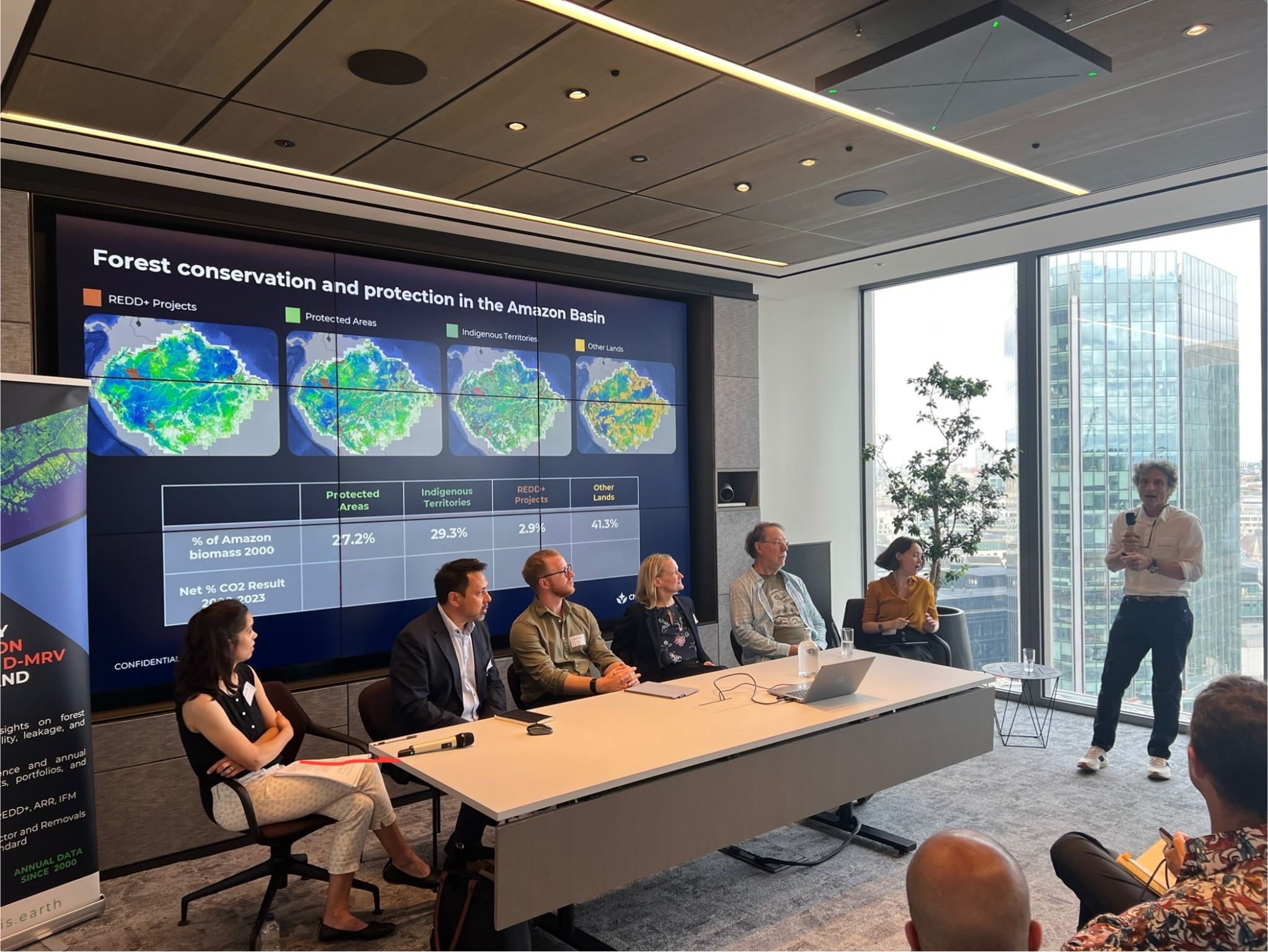
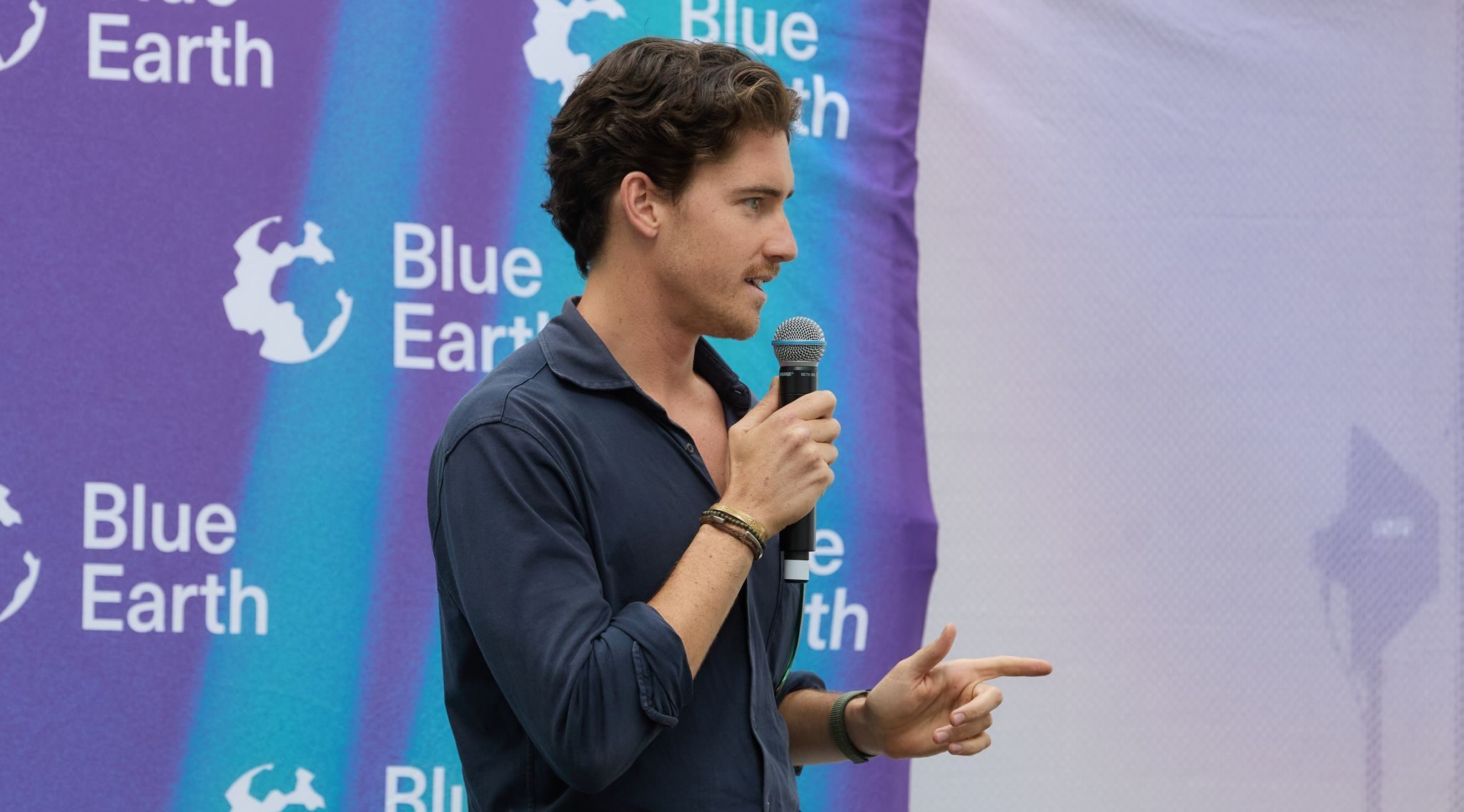
It has been a fascinating few months out in the world of nature-based solutions. Celia, Simón, Leigh, and Andrew have been speaking at a range of events, from London Climate Action Week to Seville, Paris, and Mexico, spending time with other project developers, nature capital funds and the many brilliant people trying to move this space forward.
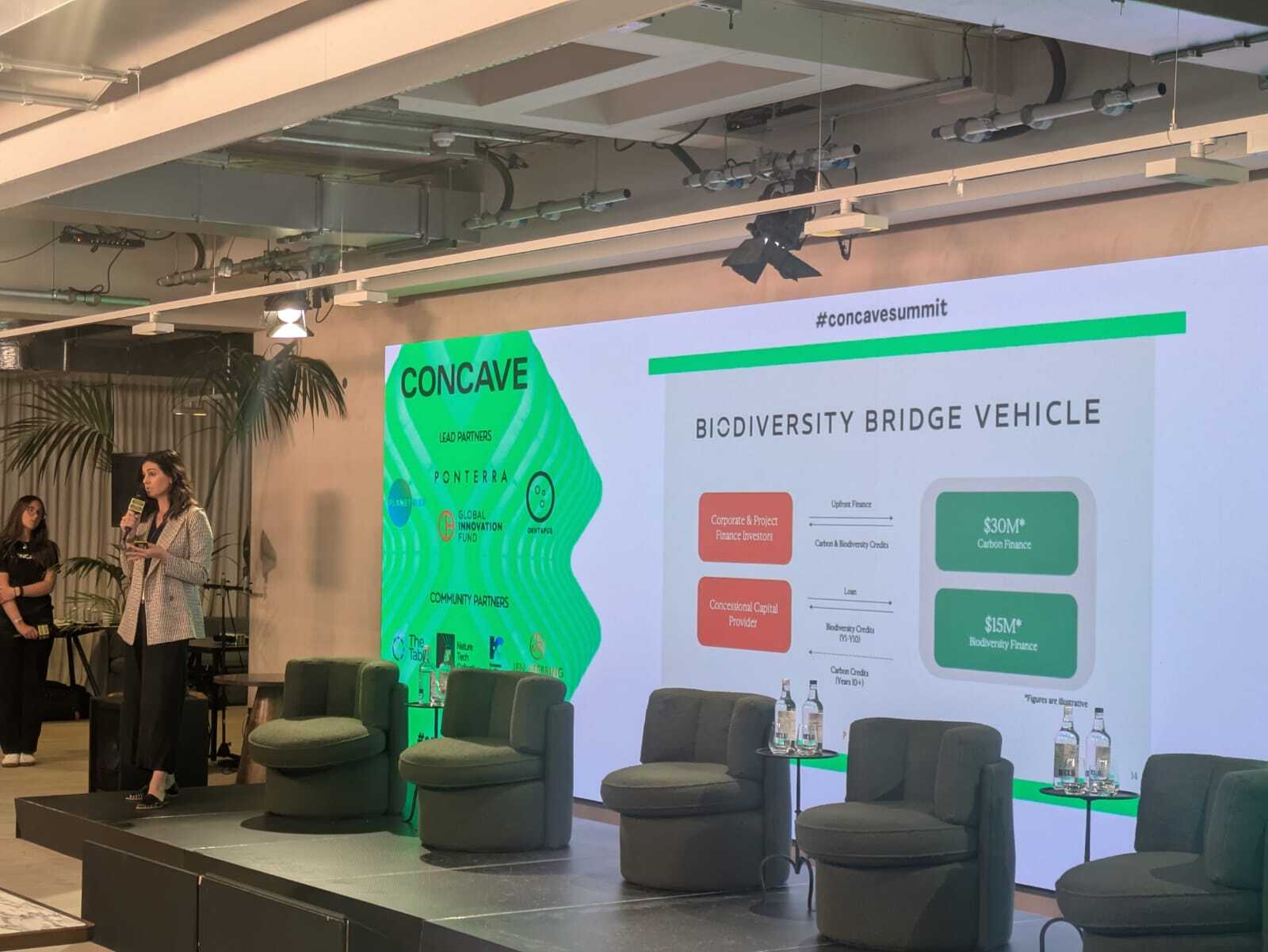
At London Climate Action Week, all three spoke on panels hosted by organisations such as Tech Nation and Climate Impact, covering everything from project integrity to what investors are really looking for. Celia spoke on a panel hosted by Chloris Geospatial, exploring what it takes to make biodiversity projects truly scalable. Meanwhile, Head of Investments, Leigh, gave a keynote speech at the Concave Summit, sharing her view on nature as an emerging asset class and what is needed to get capital flowing faster and more confidently into restoration.
In Paris, Celia joined the World Bank and IFC for a high-level forum on nature finance, and in Seville she took part in I4C, where the room was filled with people working at every level of the nature finance puzzle: capital providers, policy-makers, fellow project developers and technical experts. It sparked some thoughtful conversations about what it will actually take to bring long-term finance into nature on the ground, and how projects like ours can help shape that path forward.
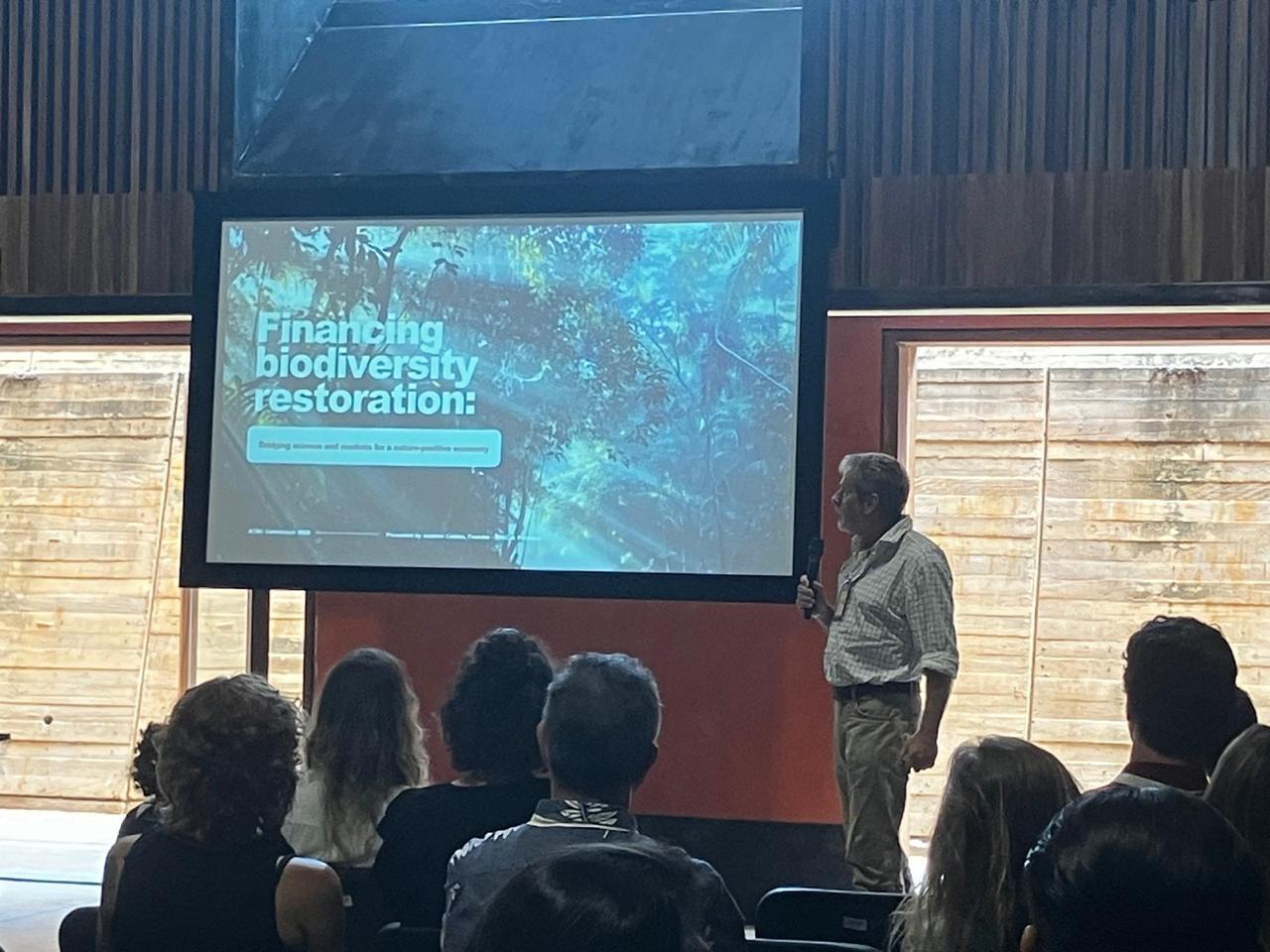
In Mexico, Head of Field Operations, Andrew Coates, spoke in Oaxaca at The Association of Tropical Biology and Conservation Conference 2025. With over 1000 participants in the audience, Andrew presented our Panama project, ARC I, as well as introducing plans for the Biodiversity Restoration and Innovation Centre (BRIC).
Celia also had an interesting time speaking at Lloyd’s of London where she joined nature insurance provider, Artio, and other insurance providers to explore how risk in nature restoration can be better understood and managed. It opened up a new kind of conversation, one that highlighted the potential for insurance to play a much bigger role in unlocking finance and confidence across the sector.
Climate News & Reports
– Biomass Satellite Returns Striking First Images of Forests and More (ESA)
– A Tale of Two Markets: How to Navigate the VCM’s Shift from Spot to Forward (Treeconomy)
– ‘Win-win’: New Maps Reveal Best Opportunities for Global Reforestation (The Guardian)
– Addressing Critiques Refines Global Estimates of Reforestation Potential for Climate Change Mitigation (Nature Communications)
– Microsoft Buys 60,000 Soil Carbon Credits from Indigo’s Largest Carbon Crop (Carbon Credits)
– How a Forest Can Grow a Community (Forbes Australia)
– Brazil’s Piaui State Plans Carbon Credits To Protect Rainforest (Reuters)
– Unlocking High-Integrity Restoration at Scale: Early Insights from Symbiosis Coalition’s First RFP (Symbiosis Coalition)
– Voluntary Carbon Market First Half 2025 Review and Outlook (Climate Focus)